
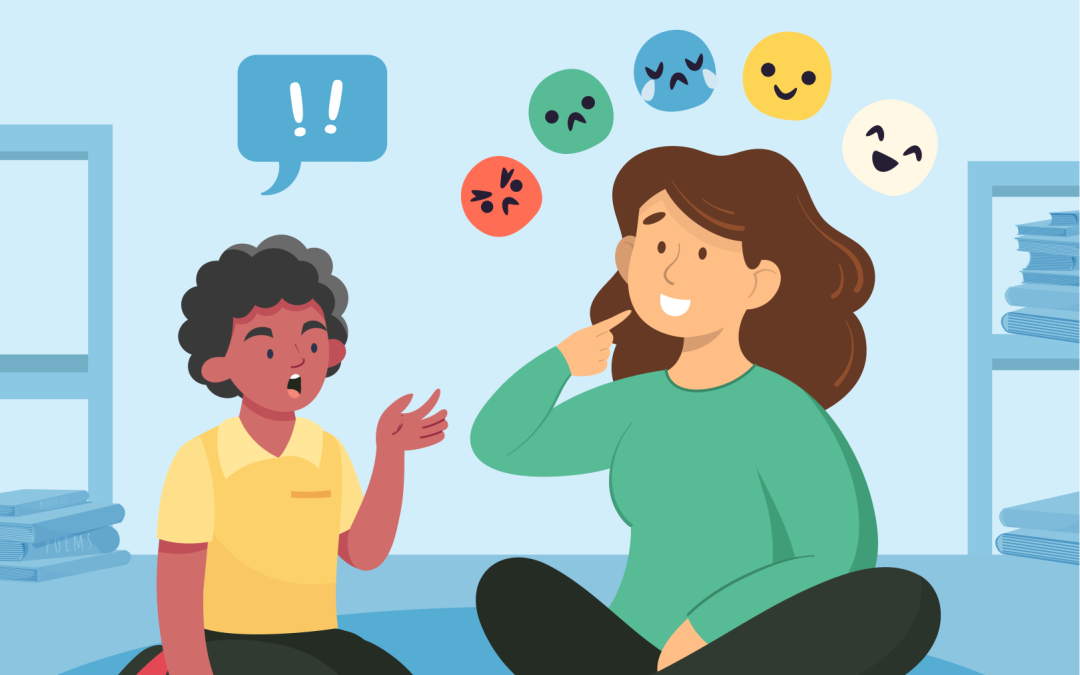
Simple strategies to nurture empathy, self-awareness, and resilience from the inside out
Emotional intelligence (EQ) isn’t just a trendy buzzword—it’s one of the most powerful predictors of a child’s long-term happiness, relationships, and success in life. Unlike IQ, which is mostly fixed, EQ can be taught and strengthened through everyday interactions.
As parents, caregivers, and educators, we have a front-row seat to a child’s emotional development. Whether your kid is having a big meltdown or showing surprising compassion for a friend, every moment is a chance to build emotional intelligence.
Here’s a deeper look at how to nurture emotionally intelligent kids, with practical tools you can use every day.
💬 1. Help Kids Name and Normalize Their Feelings
Children can’t manage what they can’t understand. One of the first steps toward emotional intelligence is helping them recognize and label their emotions.
Why it matters:
When kids can identify what they’re feeling—happy, angry, disappointed, excited—they’re more likely to express it in appropriate ways.
How to do it:
-
Use simple, everyday language: “You look frustrated. Is something bothering you?”
-
Create a feelings chart or “emotion wheel” they can point to when words are hard.
-
Read books together and pause to ask, “How do you think that character feels right now?”
Try this at home:
Make it a game! At dinner or bedtime, ask everyone to share a “high” and “low” of the day—and name the feelings that came with it.
🧘♀️ 2. Model the Behavior You Want to See
You are your child’s first teacher. The way you handle stress, conflict, or sadness sets the tone for how they’ll learn to do the same.
Why it matters:
Kids are always watching—and learning. If they see you naming your emotions and using healthy coping tools, they’ll learn to do it, too.
How to do it:
-
Narrate your own emotions: “I’m feeling overwhelmed right now, so I’m going to take a short walk to clear my head.”
-
Show how you bounce back from mistakes: “I got frustrated and raised my voice. I’m sorry—I’ll try to stay calm next time.”
-
Practice emotional check-ins together, like “How’s your heart today?”
Bonus tip:
Don’t aim for perfection—aim for connection. Repairing a moment of frustration is just as powerful as preventing one.
🛠️ 3. Teach Coping Skills for Tough Moments
Life is full of big emotions, and kids need tools to ride those waves. Teaching calming strategies helps them build emotional regulation—the ability to manage impulses, stress, and frustration.
Why it matters:
Children who can calm themselves are more likely to succeed socially, academically, and emotionally.
How to do it:
-
Create a “calm-down kit” with sensory items like stress balls, glitter jars, or coloring pages.
-
Practice breathing exercises together: “Smell the flower… blow out the candle.”
-
Encourage movement: stretching, jumping jacks, or even dancing can help release built-up energy.
Try this phrase:
“It’s okay to feel angry, but it’s not okay to hurt others. Let’s find a safe way to get that anger out.”
👫 4. Foster Empathy and Compassion
Empathy is the ability to feel with someone else. It’s one of the most important social-emotional skills kids can learn—and it starts with small, daily conversations.
Why it matters:
Empathetic kids are more likely to form strong friendships, resolve conflicts peacefully, and grow into kind, caring adults.
How to do it:
-
Reflect on others’ experiences: “Your friend looked sad when you grabbed the toy. How do you think they felt?”
-
Point out emotions in real-life or media moments: “She’s crying. What do you think happened?”
-
Practice perspective-taking: “If you were in their shoes, what would you want someone to say?”
Role-play scenario:
“What if your sibling took your toy without asking—how would that make you feel? What could they say to make it better?”
✨ 5. Celebrate Emotional Growth
Just like we cheer for first steps and good grades, we should recognize emotional wins, too.
Why it matters:
Positive reinforcement helps kids understand what emotional intelligence looks like in action—and encourages them to keep growing.
How to do it:
-
Acknowledge specific behaviors: “You did a great job calming down before we talked. That takes a lot of control!”
-
Use a sticker chart or journal to track emotional goals, like “Used my words instead of hitting.”
-
Write notes of encouragement: “I noticed you helped your friend when they were sad. That was really kind.”
Bonus idea:
Create an “emotionally smart moments” jar. Every time your child shows empathy or self-regulation, drop in a note. Review them together weekly!
🕰️ 6. Be Patient—EQ Is a Lifelong Journey
Kids will make mistakes. They’ll cry, shout, lash out—and that’s okay. Emotional intelligence is a skill set built over time, through love, guidance, and a lot of repetition.
How to support their journey:
-
Stay calm and present during emotional storms—even when it’s hard.
-
Offer gentle guidance instead of punishment: “Next time, what could you do instead?”
-
Reflect on tough moments together after things settle: “What were you feeling? What do you think triggered that?”
Keep in mind:
It’s not about raising perfect kids. It’s about raising aware, compassionate, and resilient humans—and that takes time.
🌈 Final Thoughts
Raising emotionally intelligent kids isn’t always easy—but it’s always worth it. By helping your child understand their emotions, manage them with grace, and care deeply about others, you’re giving them tools that will serve them in every stage of life.
Whether your child is a toddler learning to share or a tween navigating friendships, emotional intelligence is the key to thriving—not just surviving.
You don’t have to do it perfectly. You just have to do it with love, intention, and a willingness to grow alongside them.