
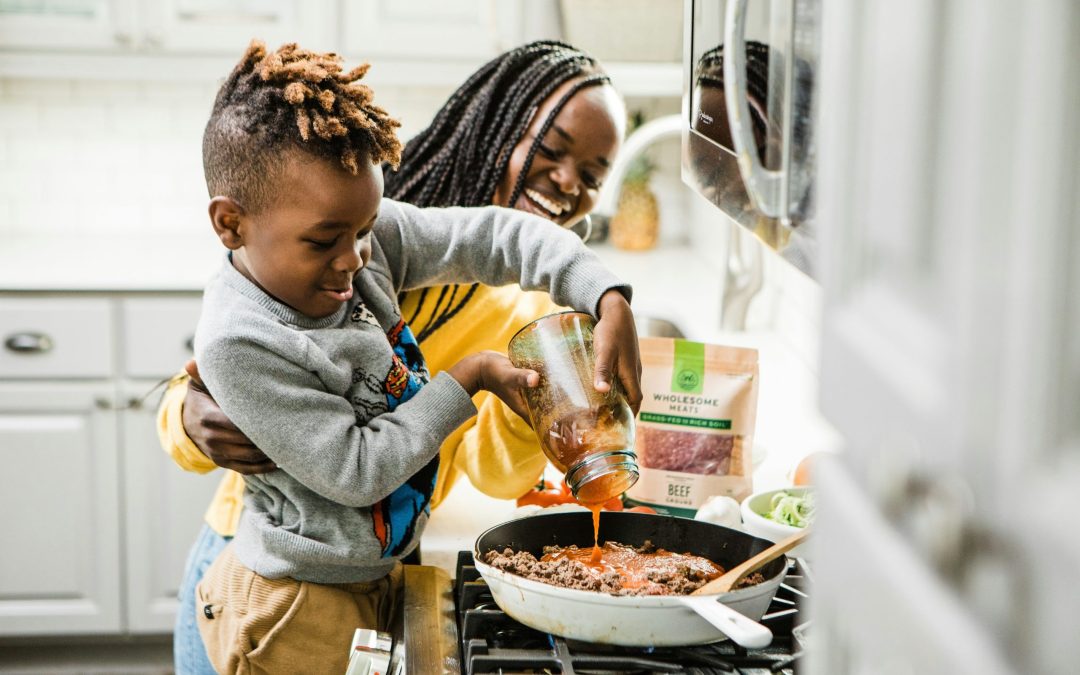
Cooking with kids isn’t just about making dinner — it’s about building confidence, connection, and lifelong skills. When children get involved in the kitchen, they learn teamwork, responsibility, and creativity — and best of all, they have fun doing it.
Start Small and Simple
You don’t need a five-course meal to make kitchen time meaningful. Begin with easy tasks: washing fruits, stirring batter, tearing lettuce, or pouring ingredients. Even toddlers can help if you keep steps short and clear. The goal is participation, not perfection.
Make It About Exploration, Not Pressure
Let kids explore textures, smells, and tastes. Turn it into a sensory experience — talk about what each ingredient looks like, smells like, or feels like. If a mess happens, laugh it off! The more relaxed you are, the more they’ll want to join next time.
Assign Real Responsibilities
Children love to feel trusted. Give them a job that matters: measuring, cracking eggs, setting the table, or reading the recipe aloud. Praise their effort and teamwork instead of focusing on results. This builds confidence and independence.
Turn Cooking Into Learning
Math and science naturally happen in the kitchen! Measuring cups teach fractions, melting butter shows states of matter, and timing cookies builds patience. You’re teaching valuable lessons without a worksheet in sight.
Keep It Fun and Flexible
Play music, make up silly recipe names, or turn meal prep into a friendly competition (“Who can wash the most carrots?”). Let kids choose what’s for dinner once a week — or pick the theme, like “Taco Tuesday” or “Breakfast for Dinner.”
End With Celebration
Show appreciation for their help. Share a “chef’s taste” before dinner or take a photo of the finished dish. Kids are more likely to keep helping when they feel proud of their contribution.
Cooking together builds more than meals — it builds memories. When kids feel welcome in the kitchen, they’ll carry that confidence and curiosity into every part of life.