
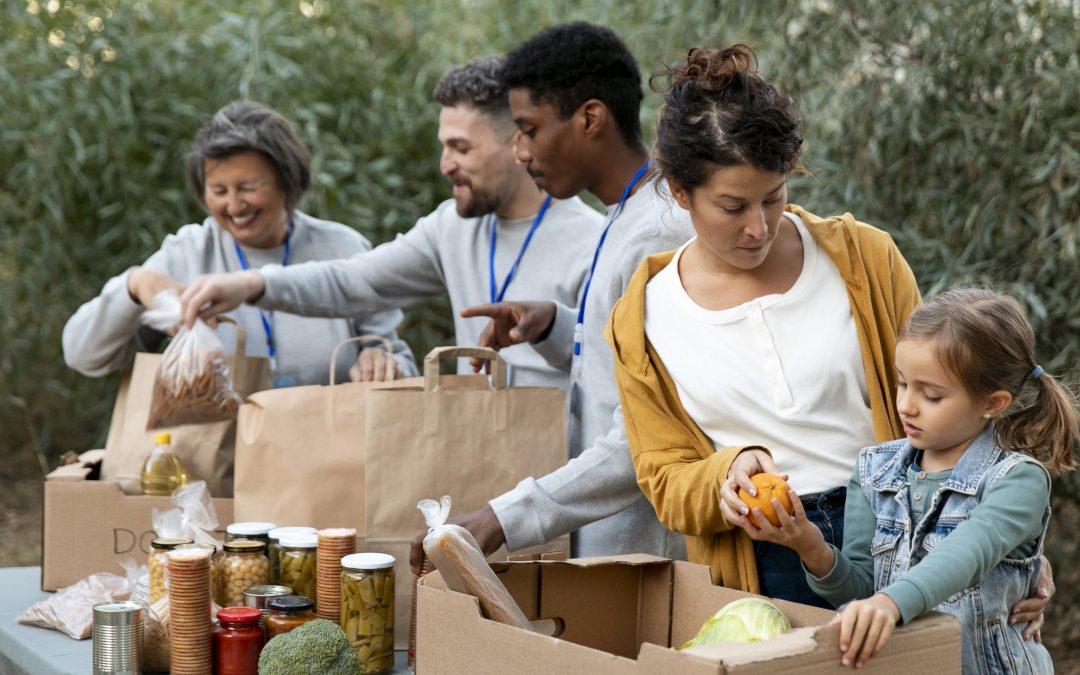
Thanksgiving is more than turkey, pies, and parade floats — it’s a celebration of gratitude, generosity, and togetherness. While kids love the fun of family gatherings and favorite foods, it’s also the perfect time to help them understand the deeper meaning of the season: giving back. When children experience the joy of helping others, they learn that kindness is something to celebrate all year long.
Why Giving Back Matters for Kids
Community service and acts of kindness help kids develop empathy, gratitude, and perspective. Volunteering isn’t just about helping — it’s about connecting. It teaches children that their time, effort, and ideas have value, and that they can make a difference even in small ways.
Kids who volunteer often grow into adults who continue to serve others. When families make giving a part of their traditions, it becomes second nature — as natural as pumpkin pie on Thanksgiving Day.
1. Donate Food — and Understanding
Thanksgiving is centered on food, so it’s a natural time to talk about hunger and generosity. But rather than just dropping off a can of beans, involve kids in the whole process.
- Plan a mini grocery mission: Give kids a budget and let them choose healthy, shelf-stable items to donate to a local food pantry. Discuss why each item might help a family in need.
- Cook and share: If your family enjoys baking, make extra rolls, cookies, or pies to deliver to a neighbor, teacher, or local first responders working on the holiday.
- Adopt-a-Family or Food Drive: Many schools and community groups host Thanksgiving baskets or adopt-a-family programs. Have kids help assemble the box, decorate it, and include a hand-written note of encouragement.
As you give, talk about gratitude: “We have enough to share — and that’s something to be thankful for.”
2. Make Thank-You Gifts for Everyday Heroes
Not everyone gets the day off on Thanksgiving. Nurses, firefighters, delivery drivers, and grocery clerks keep our communities running. Kids can show appreciation in creative ways:
- Draw or paint thank-you cards for community helpers and deliver them as a family.
- Put together “snack bags” with granola bars, fruit, and thank-you notes for local service workers.
- Make a “Wall of Gratitude” at home — take photos or draw pictures of people your family appreciates and talk about how they help the community.
- Create small “kindness baskets” for neighbors — filled with hot cocoa packets, homemade crafts, or candles.
For older kids, encourage a short gratitude letter to someone who’s made an impact in their life — a coach, teacher, or mentor. Handwritten notes make a big impression!
3. Volunteer as a Family
Volunteering together not only helps others — it strengthens family bonds and gives kids a sense of purpose. Look for opportunities that welcome children, such as:
- Soup kitchens or meal deliveries: Some organizations let families help package meals or hand out to-go boxes.
- Animal shelters: Walk dogs, fold blankets, or make homemade toys and treats for shelter pets.
- Community cleanups: Join or start a small litter cleanup at a local park or river trail. Bring gloves, trash bags, and enthusiasm.
- Nursing homes or assisted living centers: Kids can read stories, share songs, or deliver handmade cards to brighten someone’s day.
- Faith-based service projects: Many churches, mosques, and temples coordinate Thanksgiving outreach programs families can join.
If in-person volunteering isn’t possible, try virtual kindness — write digital notes of thanks, record cheerful messages, or create artwork that can be printed and shared by organizations that serve the elderly or hospital patients.
4. Share Time — Not Just Things
Giving back doesn’t always require money or donations. Sometimes, the greatest gift is time and attention. Encourage kids to give back right at home:
- Play a board game or read with a younger sibling while you cook.
- Help an older neighbor rake leaves or decorate their porch.
- Offer to walk a friend’s dog or bring their trash bins in from the street.
- Make a video message of gratitude to send to relatives far away.
- Start a “thankful jar” where family members can add daily notes of appreciation to read together on Thanksgiving night.
These acts of service build character and connection. Kids learn that generosity doesn’t always come from wallets — it comes from hearts and hands.
5. Teach Gratitude as a Daily Habit
Thanksgiving shouldn’t be the only time gratitude shines. Make thankfulness a part of your family’s everyday rhythm. Try these ideas throughout November — or all year long:
- Begin meals with one thing everyone is thankful for.
- Keep a family gratitude journal and add to it weekly.
- Do a “Gratitude Scavenger Hunt” — find things that make you smile, like a cozy blanket, favorite toy, or a beautiful sunset.
- Write “Thankful Post-Its” and stick them around the house with reasons you appreciate each other.
- For older kids: discuss how gratitude connects to empathy — how being thankful inspires people to give back.
Small rituals like these make thankfulness a lifestyle rather than a holiday tradition.
6. Creative Kindness Projects for Kids
If your kids love hands-on projects, try one of these Thanksgiving-themed activities that combine creativity with compassion:
- Thankful Tree Craft: Use paper leaves or real branches to make a gratitude tree. Write something you’re thankful for on each leaf and share during Thanksgiving dinner.
- Kindness Rocks: Paint rocks with cheerful messages or drawings, then leave them around town for others to find.
- DIY Blankets or Scarves: Make fleece tie blankets for shelters or scarves for nursing home residents.
- Animal Toy Workshop: Cut and knot old T-shirts into tug toys for animal shelters.
- “Give Thanks” Photo Challenge: Encourage kids to take photos of moments that show gratitude — helping, sharing, laughing, learning — and create a family slideshow to share with relatives.
7. Involving Kids of All Ages
No matter your child’s age, there’s a way for them to participate in giving back. Here are some quick ideas by stage:
Preschoolers
- Draw cards for nursing homes or first responders.
- Help pack donation boxes or deliver thank-you notes.
- Join parents in baking cookies for neighbors or teachers.
Elementary Age
- Host a mini canned food drive with classmates or friends.
- Help serve or decorate at community centers or church events.
- Start a “Kindness Challenge” at school with daily acts of giving.
Preteens & Teens
- Organize a donation drive for coats, pet food, or hygiene products.
- Volunteer to babysit for a busy parent or help an elderly neighbor with errands.
- Use social media for good — share positivity, highlight local charities, or spread awareness about ways to help.
8. Keep the Spirit Going Beyond Thanksgiving
The best part of giving is that it doesn’t have to end when the leftovers do. Encourage kids to keep the momentum going by finding monthly or seasonal service projects:
- Join a holiday toy drive in December.
- Volunteer at an animal shelter in the spring.
- Organize a park cleanup when the weather warms up.
- Plant flowers at a community garden in summer.
- Host a back-to-school donation drive in the fall.
By weaving generosity into your family’s year, kids learn that kindness isn’t seasonal — it’s a way of life.
Final Thoughts
Thanksgiving reminds us that gratitude and giving go hand in hand. When kids are part of that process — baking, donating, volunteering, or simply sharing their time — they learn that even the smallest gestures can make a big impact. As parents, we can show that giving back isn’t just a tradition; it’s a lifelong habit of love. And in helping others, our kids discover something even greater to be thankful for — the joy of making a difference.