
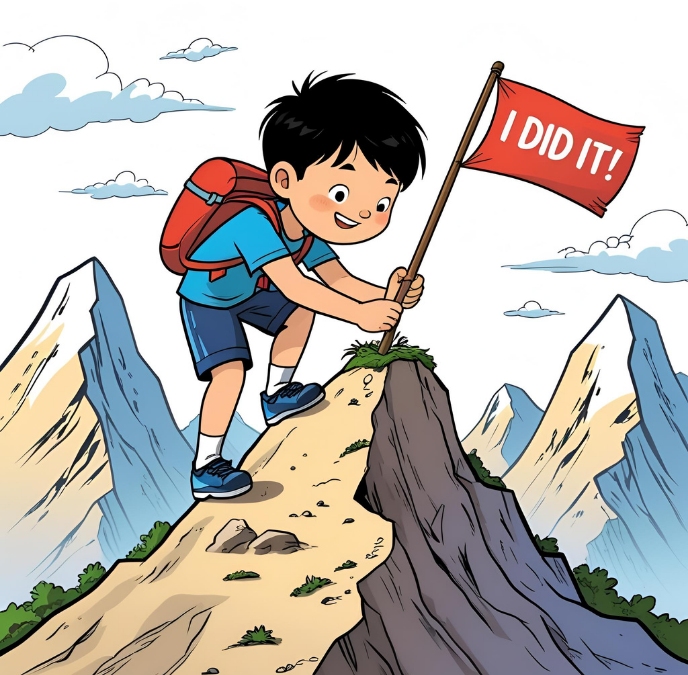
Life isn’t always easy, and kids will face challenges—whether it’s learning to ride a bike, tackling tricky math homework, or handling a tough day with friends. What helps them push through those challenges isn’t talent or luck—it’s grit.
Grit is the ability to keep going even when things are hard. Paired with perseverance, it helps kids stay motivated, bounce back from failure, and build confidence in their abilities. The good news? Grit isn’t something kids are just born with—it’s something you can nurture.
Here are practical ways to help kids build grit and perseverance.
1. Encourage a Growth Mindset
Teach kids that mistakes and setbacks aren’t failures—they’re part of learning.
-
Use phrases like “You can’t do it yet” instead of “You can’t do it.”
-
Celebrate effort as much as results.
-
Share your own stories of times you struggled before succeeding.
2. Let Them Struggle (Just a Little)
As tempting as it is to step in, giving kids room to face challenges helps them build resilience.
-
Resist solving problems right away.
-
Offer guidance instead of answers.
-
Remind them it’s okay to feel frustrated—it means they’re growing.
3. Model Perseverance Yourself
Kids watch how you handle challenges.
-
Show patience when solving problems at home.
-
Talk through your process when something is hard.
-
Let them see you try again after setbacks.
4. Break Big Goals Into Small Wins
Large challenges can feel overwhelming. Help kids build confidence by breaking goals into steps.
-
Learning piano? Celebrate mastering a simple song before tackling a big recital piece.
-
Sports practice? Focus on one skill at a time instead of the whole game.
These small victories keep kids motivated and show progress over time.
5. Praise Effort, Not Just Achievement
Instead of saying “You’re so smart,” try “I’m proud of how hard you worked.”
-
Effort-based praise encourages persistence.
-
It teaches kids that determination matters more than natural talent.
6. Teach Them to Reframe Failure
Failure doesn’t have to mean “the end.” Help kids see it as a step toward success.
-
Ask: “What can you try differently next time?”
-
Share stories of famous people who failed before succeeding.
-
Encourage reflection instead of shame.
Final Thoughts
Helping kids build grit and perseverance prepares them for life’s challenges both big and small. With encouragement, patience, and opportunities to grow, your child can learn that setbacks aren’t stop signs—they’re stepping stones.